
Short history of Staged Abdominal Repair (STAR),
one operative strategy of the
PLANNED OPEN ABDOMEN
History of Planned Open Abdomen
To address the PLANNED OPEN ABDOMEN, many operative strategies have been published since the first suggestion in 1975 by Pujol to leave simply the abdomen open. Most surgeons today cover the open abdomen with either a stand-alone device of the surgical plastic drape or the Artificial Bur Temporary Fascia Prosthesis, a Velcro-like sheet or a combination of both. Based on the plastic drape a very expensive vacuum pack became available in 1996. Publication about the vacuum pack have been sponsored by industry and may be heavily biased. My Publications about the Artificial Bur Temporary Fascia Prosthesis have not been sponsored commercially and may provide information closer to the truth. The vacuum pack mechanism is based on a paper of M. Schein in 1989 and has been used by trauma surgeons as a stand-alone device (Bogota Bag) or together with the Bur Fascia Prosthesis and has become an integral part of the STAR procedure since 1991. I originally called this type of planned open abdomen with and without use of the plastic drape "Staged Abdominal Repair"(STAR). Today the more commonly used name is "Damage Control" & Repair (DCR&R)
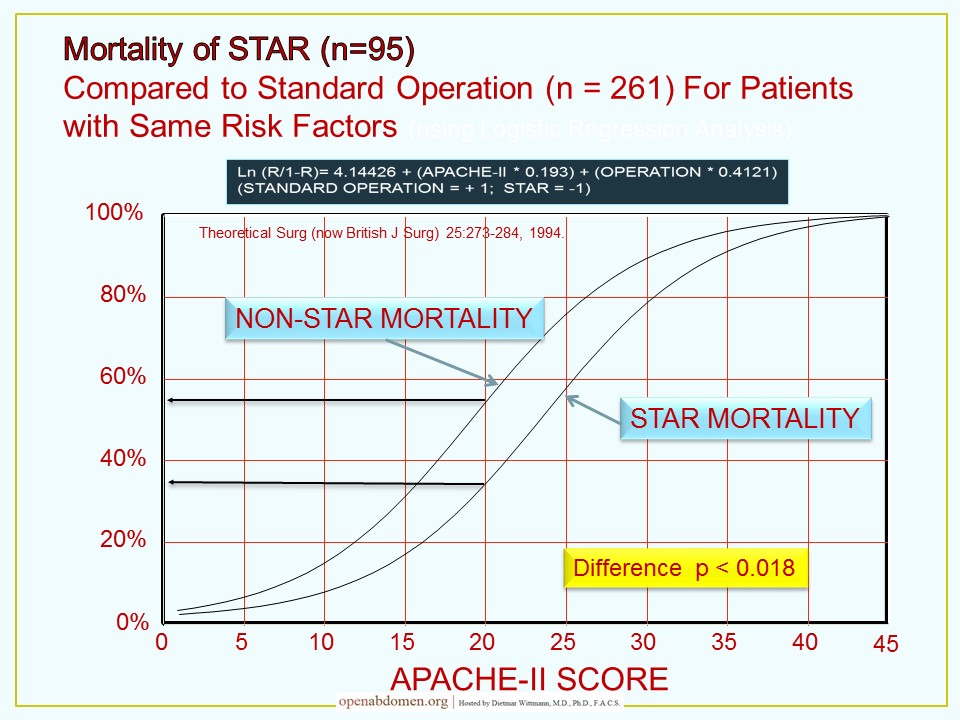
FIG. 01: Staged Abdominal Repair (STAR) improves fascial closure rates when compaired to other operative methods, such as retention sutures, Bogota Bag, vacuum pack, simple zipper closure or leavin the abdomen open.
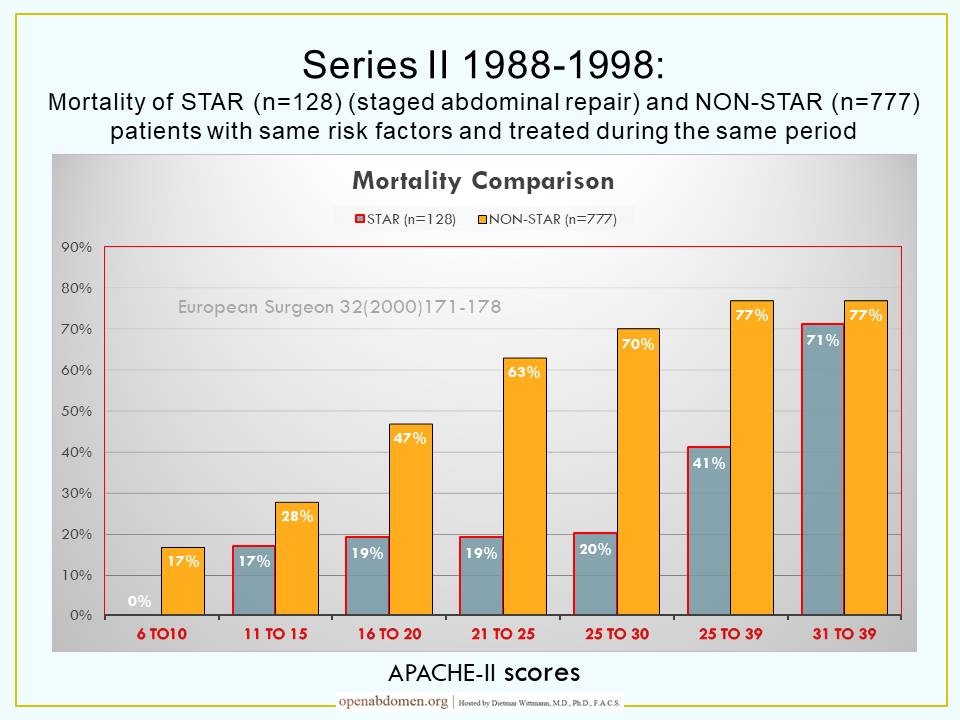
FIG 02: Staged Abdominal Repair (STAR) improves mortality when compared to other operative methods in patients with the same risk factors. The study period ended in 1992, and the control group includes patients treated with various closure devices such as retention sutures, commercial zipper, Ethizip, and artificial bur temporary fascial prosthesis.the same risk factors. The control group includes patients treated using general surgical closing methods at three major university hospitals in Wsconnsin, Tonoto and Linkoeping, Sweden
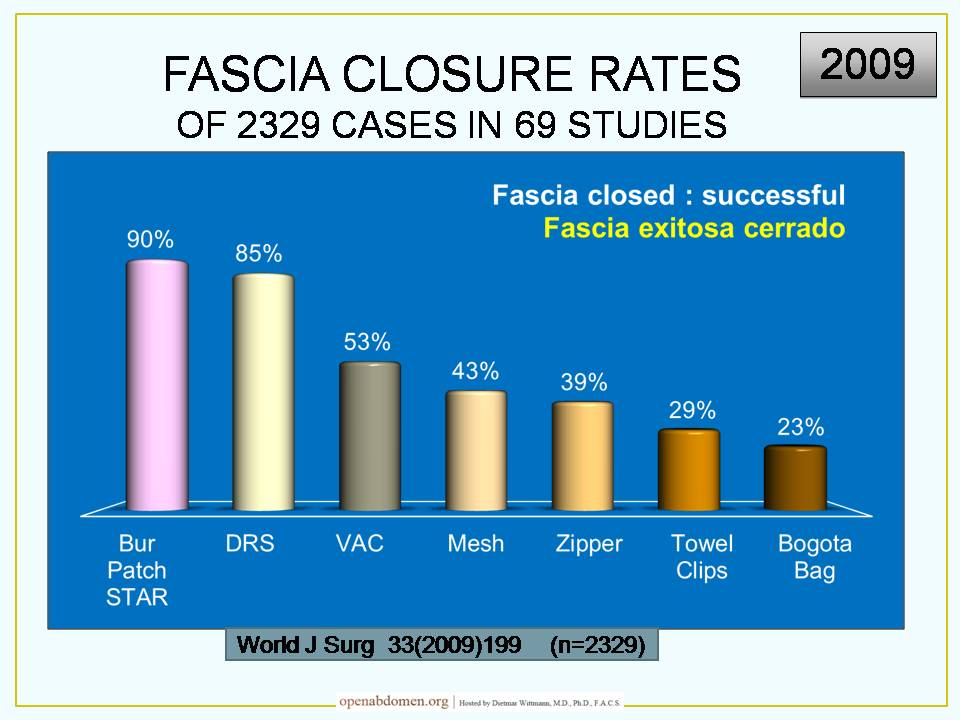
FIG 03: All methods used to manage the Planned Open Abdomen were compared in a Dutch Study in 2009 showing that the higest closure rates were achieved when the abdomen was closed using the Bur Patch (Wittmann Patch*) * Trade Mark of Starsurgical.Inc
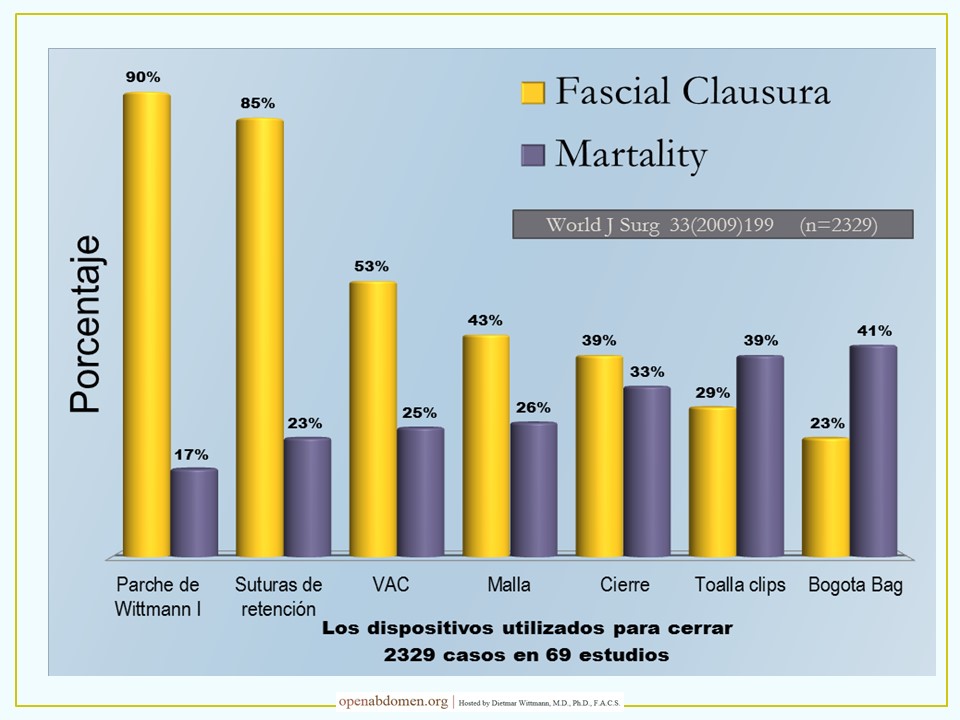
FIG 04: Also the mortality rates are better with Star than any other method as shown on this graph in comparizon with closure rates.
Adhering to the strict protocol of STAR is the best Method to manage the Panned Open Abdomen with success
This has been shown consitantly in multiple publications since 1989. In high risk patients with an APACHE-II score between 15 and 30, staged abdominal repair (STAR) has been proven to reduce mortality rates by up to 50% compaired to other methods to treat the open abdomen. (271-Theoretical Surgery 9(1994)201-207) (see remark below).
Staged abdominal Repair or Damage Control Repair used in conjunction with the Artificial Bur Temporary Fascia Prosthesis and Hypopack (first vacupack used) has the highest fascial closure rates of over 90%. (World J Surg 33(2009)199-207)
Remark: The journal Theoretical Surgery was aquired by the journal European Journal of Surgery that later merged with the British Journal of Surgery.